-
16 Aug 2018
-
Por: Dinet
TECHNOLOGICAL INNOVATION: LOGISTICS PROCESSES FOR THE CURRENT PERUVIAN MARKET
Someone once said: “Innovation shapes our way of looking to the future, of taking risks, impacting and transcending in the local and global market.”
In Peru, innovation does exist and has evolved a lot in 10 years, but we must evaluate and compare our progress with how it has occurred in the world, in order to understand what innovation is in, which countries innovate more and which companies. I relied on a publication prepared by the business magazines Strategy + Business and Forbes. The list highlights many companies that we listen to, read about or are users of.
These publications are very recent (2016 - 2017) but regardless of who is first at this moment, the important thing is to know what is invested in the most and who has the best performance in innovation in the world.
According to the magazines, more is invested in Software and Internet, Computing and Electronics, Healthcare, Auto, Aerospace and Defense, among others, and the most notable companies are Apple, Google, Amazon, Samsung, Tesla, Toyota, IBM, Merk, Roche, Microsoft, among others, no less important, and many of the companies are European, American and from the Middle East.
Is there innovation in our country? To answer this question, I had to refer to a lot of published information and also to my experience of more than 25 years in the supply chain in transnational and national companies. In the same way, I found it very interesting to complement this information with a UPC publication on the “Business Creativity” contest that summarizes the 20 years of innovation in Peru, which seeks to collect the recent history of innovation in our country in different categories and sectors.
Reviewing the publication in detail, there are many sectors, areas or opportunities that stand out in a sustained manner for two decades; This means that there are cases of success in innovation that have been focused on solving everyday problems in Peru, facilitating operations for users, and promoting sectors such as tourism and gastronomy, but there is almost nothing about success stories presented by the large 3PLs in Peru with approaches to improving our supply chain, and I wonder why?.
I believe that it is due to many problems that the logistics services sector experiences, such as the lack of road infrastructure, congestion in ports, informality in transport, among others, because software and internet, IT and electronic solutions are available to any 3PL in the country, so much so that in the last 10 years, many logistics operators have invested in world-class software, warehouse management, transport, order planning, e-commerce and many others.
So, where are the innovation opportunities for 3PLs? To answer this question, we have to assume first of all that the problems that the logistics sector experiences in the country do not affect anything or very little, and secondly, we must understand what innovation is and for this I want to broadly explain the types of innovation that exist.
• First of all, we have the basic innovations, which are focused on opening new markets and industries, these are oriented to essentially new applications of a technology, or combinations of original or known technologies that give rise to completely new products or processes.
• Secondly, there are incremental or improvement innovations, which are aimed at optimizing processes and reducing costs.
• Thirdly, there are minor innovations, which are aimed at those that, although they have an economic or social effect, do not seek to present a significant change on the original technological level, but rather to improve attributes in the design of the product or the way of providing a service.
• Finally, there are radical innovations, which are aimed at producing a leap in development and generally revolutionize one or more sectors according to their scope.
Why do I explain this? Because if 3PLs have invested in software to improve logistics services to generate greater added value, I feel that innovation is about how differentiated logistics processes that seek improvements in costs and service are modeled in software and how these are integrated with each other within a service that the client expects. On the other hand, clients also expect to integrate processes and software with operators.
This means that 3PL innovation is oriented towards incremental or improvement innovations that seek to optimize and reduce costs, but this will only generate value if, and only if, customers allow logistics operators to enter and understand their internal processes and, on the other hand, that operators develop and implement service standards that can help optimize and improve costs. For example, in the retail sector there are many opportunities to improve freight costs, such as executing night supplies, certified, consolidated, section-based deliveries and technologically identified with bar codes or RFID to facilitate management between the customer and logistics partner.
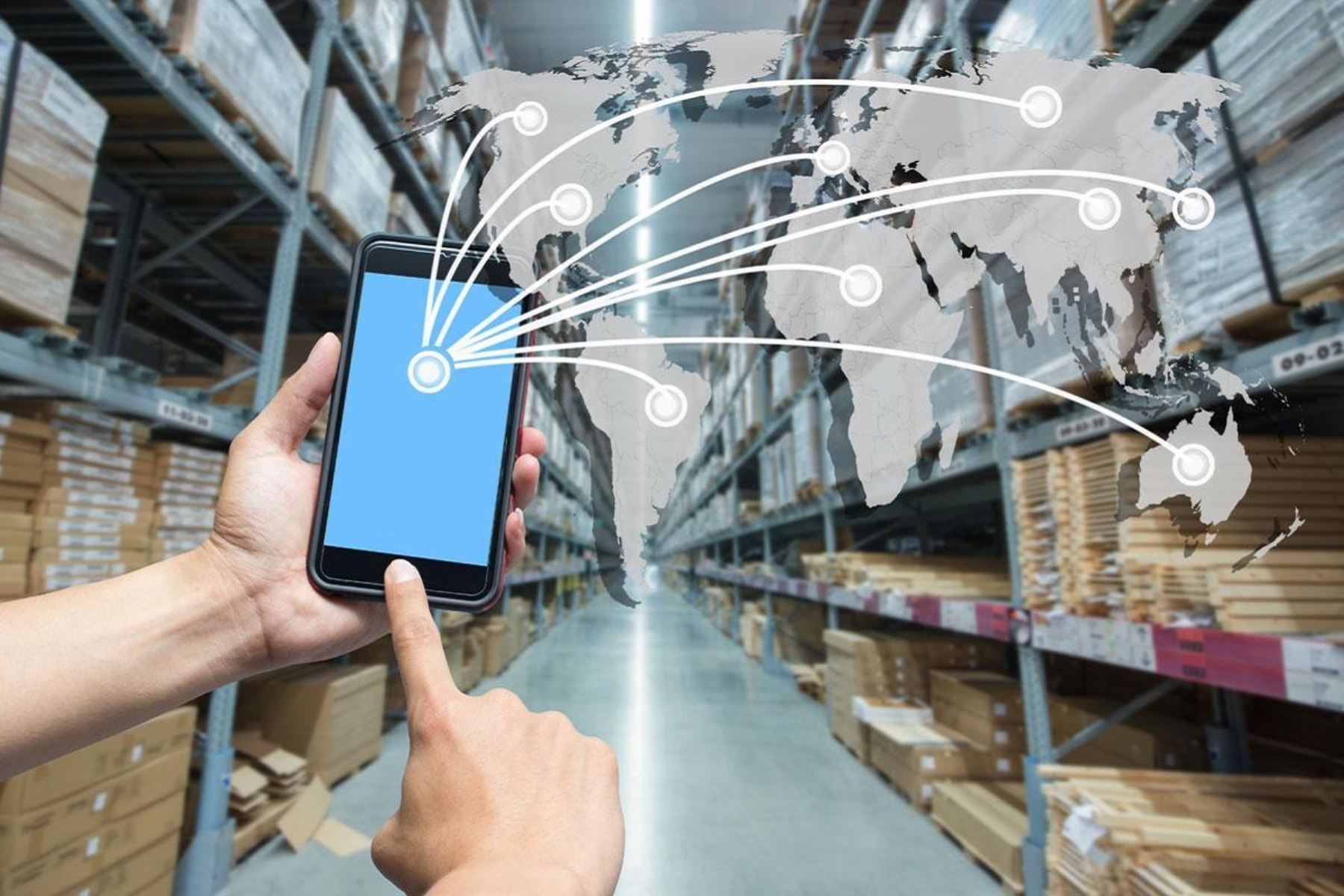
Clients and 3PLs must constantly seek to improve costs in the chain and have traceability and visibility of the service delivered and received. For this reason, the logistics trends that the Peruvian market is experiencing are oriented towards providing clients with “online” information about the contracted service through the advances in information technology and electronics that we have been experiencing. These are the means that the logistics operator has to provide the service.
• Regarding DINET, since 1999 we have been working on the growth of the company through technological innovation, permanently acquiring software aimed at improving logistics services for transnational companies, mainly. This strategy remains intact to this day and seeks to develop optimized logistics processes and for these to be modeled in our software to ensure improved productivity and flexibility of the service.
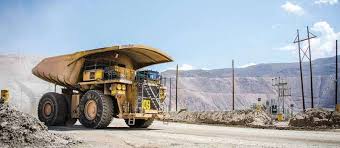
By 2018, DINET aims to complete the integration of all its logistics systems, as well as with its suppliers, and subsequently complete the visibility and traceability portal for customers in the Retail, Mass Consumption, Durable Goods, Cosmetics and Mining sectors.